Electrical troubleshooting help before you guess, replace parts, or take unsafe risks.
Need electrical troubleshooting help for a breaker that keeps tripping, an outlet that stopped working,
a power issue, a wiring question, or a confusing low-voltage project? Wire & Wrench Solutions helps
hands-on homeowners, DIYers, hobbyists, and small business owners think through the problem safely and logically.
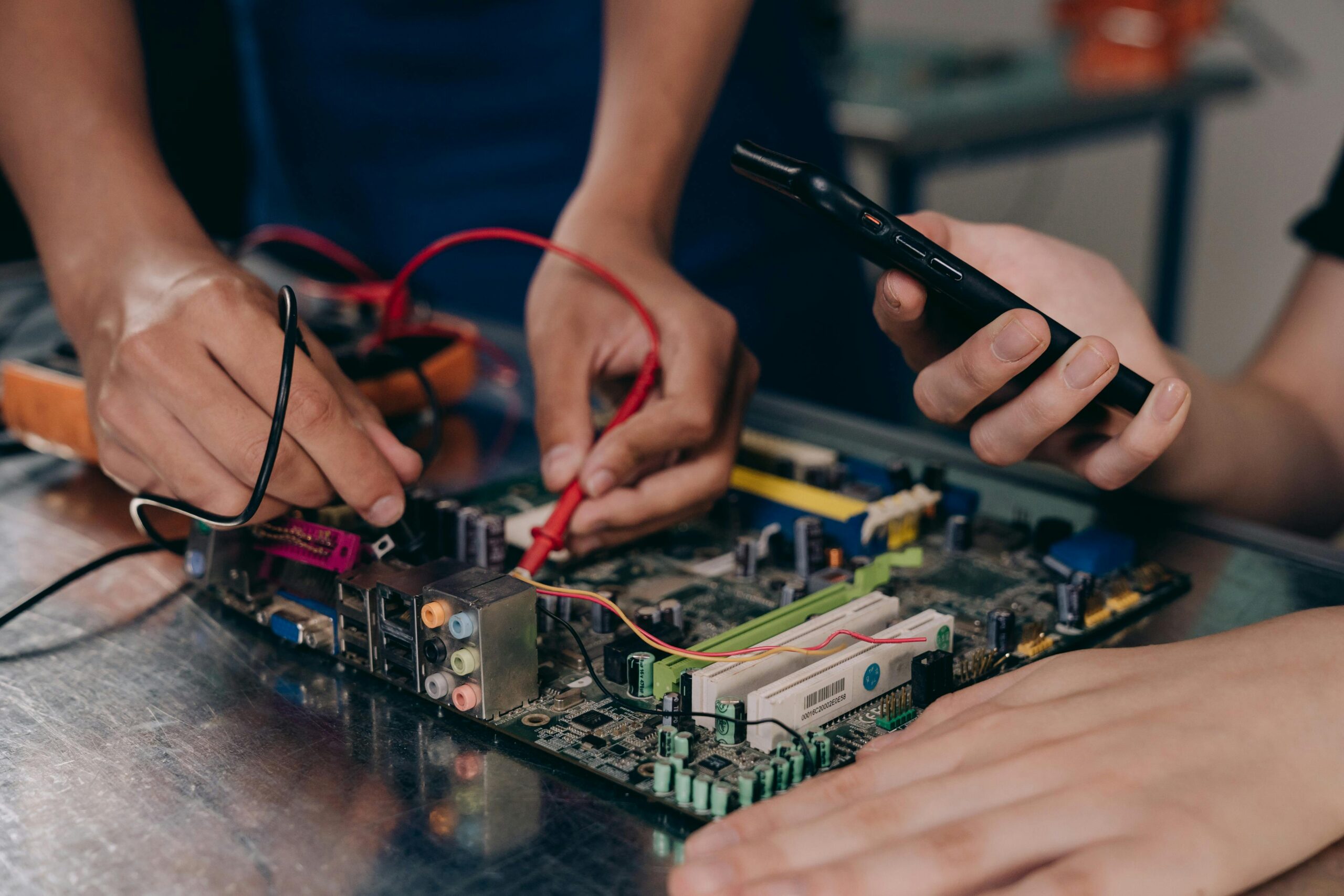
Remote electrical troubleshooting should help you make better decisions, not take bigger risks.
Some electrical issues are simple enough to discuss over the phone. Others need a licensed electrician,
an on-site inspection, or immediate shutdown for safety. The goal is to help you organize the symptoms,
understand what may be happening, and decide what to check next without crossing into unsafe work.
If the issue involves burning smells, smoke, melted insulation, sparking, shock, exposed live wiring,
water near electrical equipment, service panels, utility power, or high-voltage systems, stop and contact
a qualified local professional or emergency service.
What electrical troubleshooting help can cover
These are the kinds of problems that can often be discussed, sorted, or prepared for through a remote call.
Breaker keeps tripping
We can talk through when it trips, what is on the circuit, what changed recently, and what information
matters before you reset it again or call an electrician.
Outlet or switch problems
Dead outlets, loose switches, partial power, flickering, and confusing symptoms can be easier to understand
when we break the problem into safe observations and next steps.
Low-voltage power issues
Battery systems, small power supplies, adapters, relays, and DC wiring problems can often be reviewed
remotely with photos, ratings, model numbers, and meter readings.
Tools and equipment
If a tool, charger, pump, compressor, or shop device stopped working, we can discuss symptoms,
basic checks, parts, and whether the repair is worth pursuing.
DIY electronics
Arduino projects, relays, sensors, simple circuits, control boxes, escape-room style props,
and hobby builds are a good fit for practical troubleshooting.
Unsafe or code-related work
If the issue involves panels, service equipment, permanent wiring, code compliance, high voltage, or anything that feels dangerous, we will tell you to stop and bring in a local professional.
Electrical troubleshooting help works best with details.
The more information you send before the call, the more useful the conversation can be.
Describe the symptom
Tell us what stopped working, when it happens, what changed recently, and whether the issue is constant or intermittent.
Send useful photos
Photos of labels, model numbers, plugs, switches, equipment, settings, and the surrounding setup can help avoid guesswork.
Sort safe checks
We discuss simple observations, likely causes, safer next steps, and when the right answer is to stop.
Make a decision
You leave with a clearer plan: keep troubleshooting, replace a likely part, gather more information, or call a licensed pro.
Electrical work has real limits.
Remote help is useful for organizing symptoms and planning next steps, but it is not a substitute for
a licensed electrician, local code requirements, permits, or an on-site inspection. Electrical systems
can cause shock, fire, property damage, injury, or worse when handled incorrectly.
Helpful outside resources
For electrical safety and code awareness, review information from
NFPA 70, the National Electrical Code
and consumer safety guidance from the
Electrical Safety Foundation International.
When in doubt, shut it down and call a qualified local professional.
Use remote help for planning, not dangerous electrical work.
A good call can help you understand the problem, gather the right information, and avoid replacing parts blindly.
Good fit for a call
- Low-voltage circuits and hobby electronics
- Tool, charger, appliance, or equipment symptoms
- Understanding what information to gather
- Deciding whether a repair is worth pursuing
- Preparing good notes before hiring a local pro
Not a good fit for remote guidance
- Live panel work or service equipment
- Burning smells, smoke, sparks, or melted wiring
- Water-damaged electrical equipment
- Code compliance, permits, or final approval
- Anything you are not comfortable doing safely